Multi Transform
The Multi Transform panel provides a powerful and precise way to manipulate the position, rotation, and scale of multiple objects simultaneously. It’s designed for workflows that demand accurate, numeric input, offering a level of control that goes beyond Blender’s standard interactive tools.
The panel is organized into a grid layout, with each row corresponding to a transform axis (X, Y, and Z). This allows you to view and edit the Position, Rotation, and Scale values for a specific axis all in one place. This structure is controlled by a powerful set of modes, allowing for both standard independent editing and an Active Leads Mode which uses the active object as a group pivot.
UI Controls Explained
Header Row: The top row contains shortcuts to reset the transform values. Pos resets Position to
(0,0,0), Rot resets Rotation to(0,0,0), and Scale resets Scale to(1,1,1).- Axis Rows (X, Y, Z): Each of these three rows contains:
An axis toggle on the left to include or exclude that axis from the operation.
Three numeric input fields for that axis’s Position, Rotation, and Scale.
- Set Buttons Row: The bottom row contains the buttons to apply the transforms:
Set All: Applies the values for Position, Rotation, and Scale all at once.
Set (per-transform): Applies only the values for either Position, Rotation, or Scale.
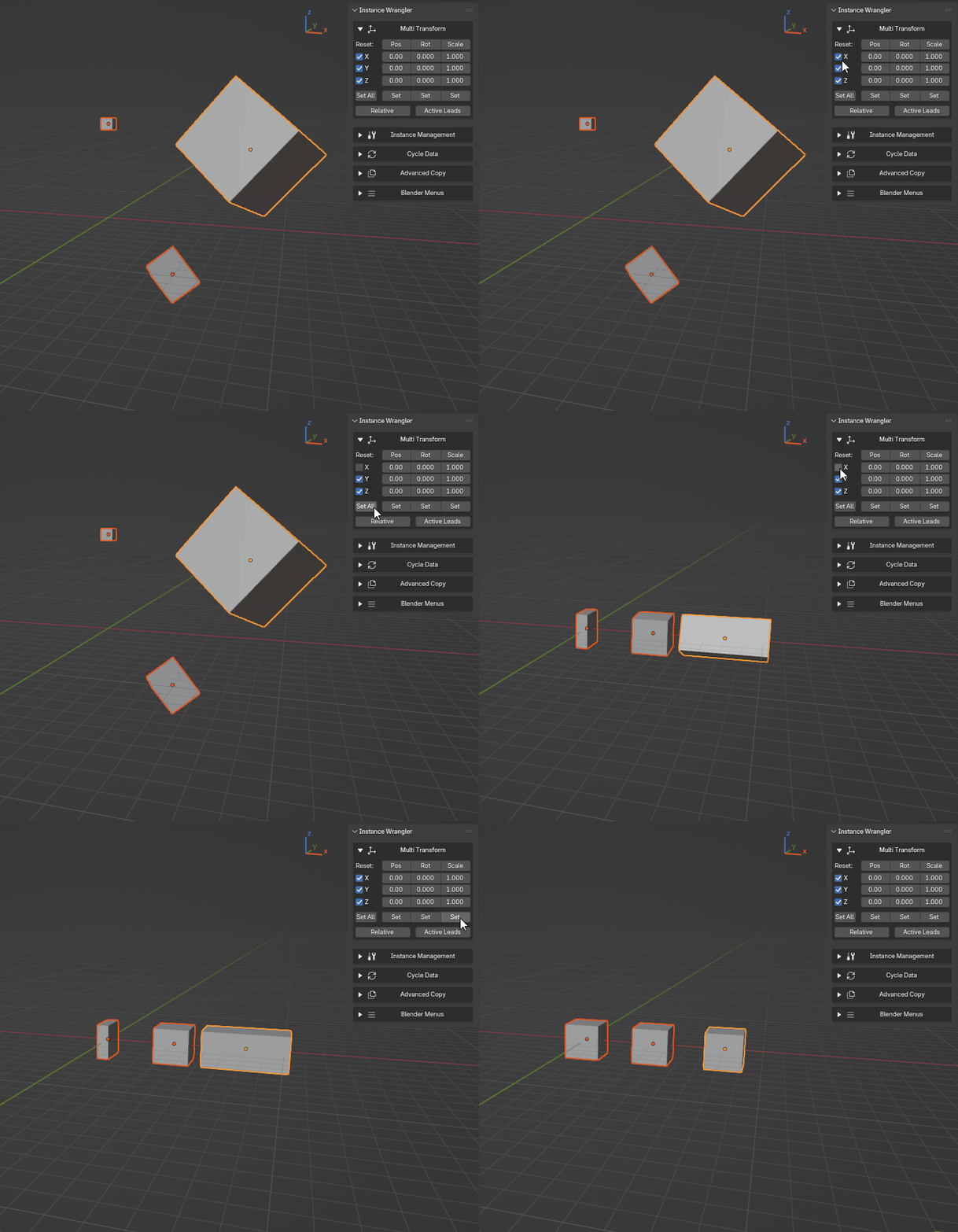
Using “Set All” to set position, rotation and scale at the same time.
- Mode Toggles:
Relative Toggle: Switches between Absolute and Relative modes. Its behavior changes depending on whether Active Leads is enabled.
Active Leads Toggle: Switches the tool to a powerful mode where the active object acts as a pivot or “fake parent” for the rest of the selection.
Relative Toggle
The Relative toggle lets you switch between relative and absolute transform mode.
- Absolute Mode (
Relativedisabled): This mode sets the transform values to the exact numbers you enter. It’s perfect for aligning objects to a specific coordinate. Example: To align all selected objects to a height of 5 meters, you would disable
Relative, enter5.0in the Z position field, and click Set.
- Absolute Mode (
- Relative Mode (
Relativeenabled): This mode adds (or multiplies for scale) the entered values to each object’s current transform. It’s ideal for nudging a selection of objects while preserving their existing arrangement. Example: To move all selected objects 2 units to the right, you would enable
Relative, enter2.0in the X position field, and click Set.
- Relative Mode (
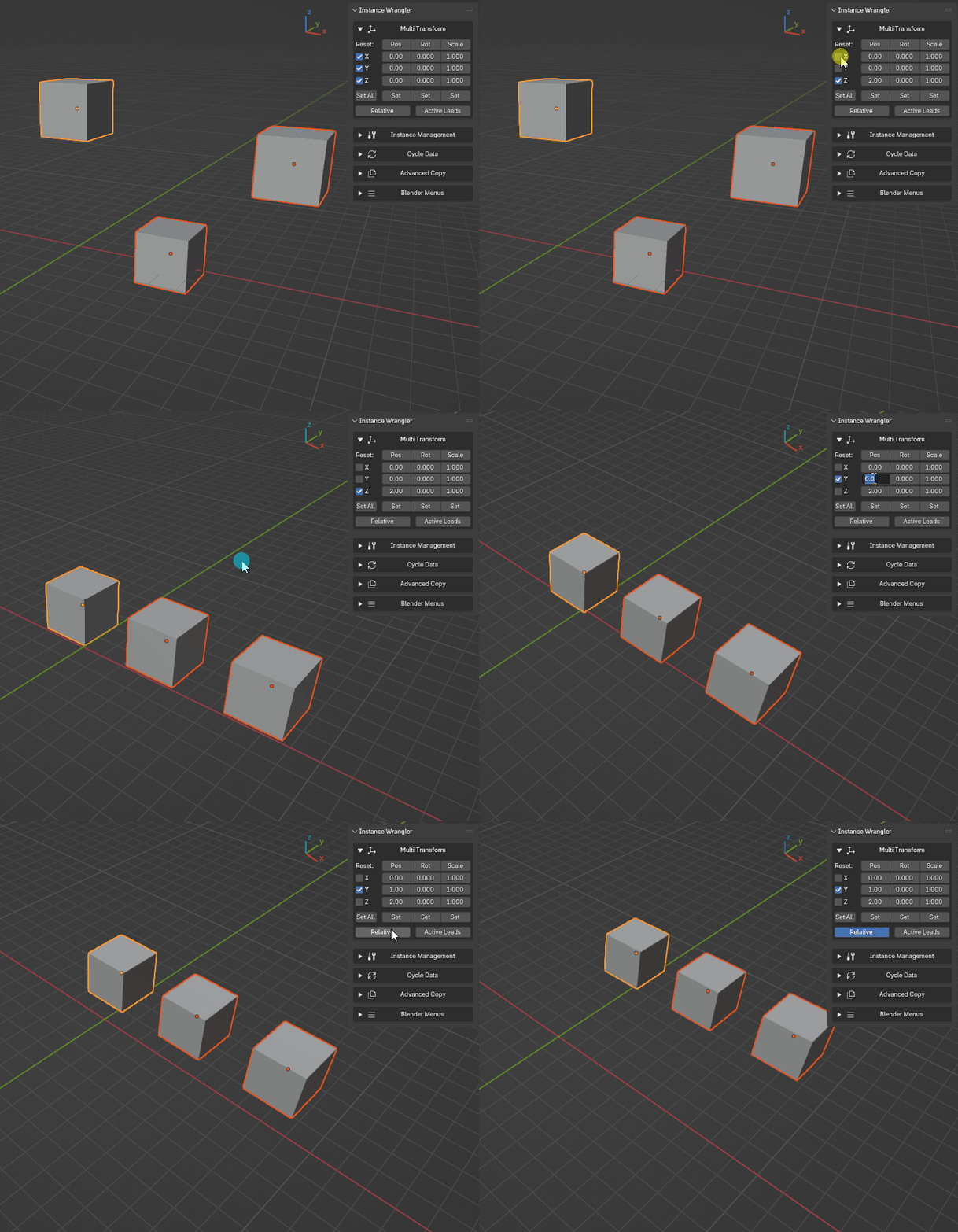
Setting the position in absolute and relative mode and using the axis rows.
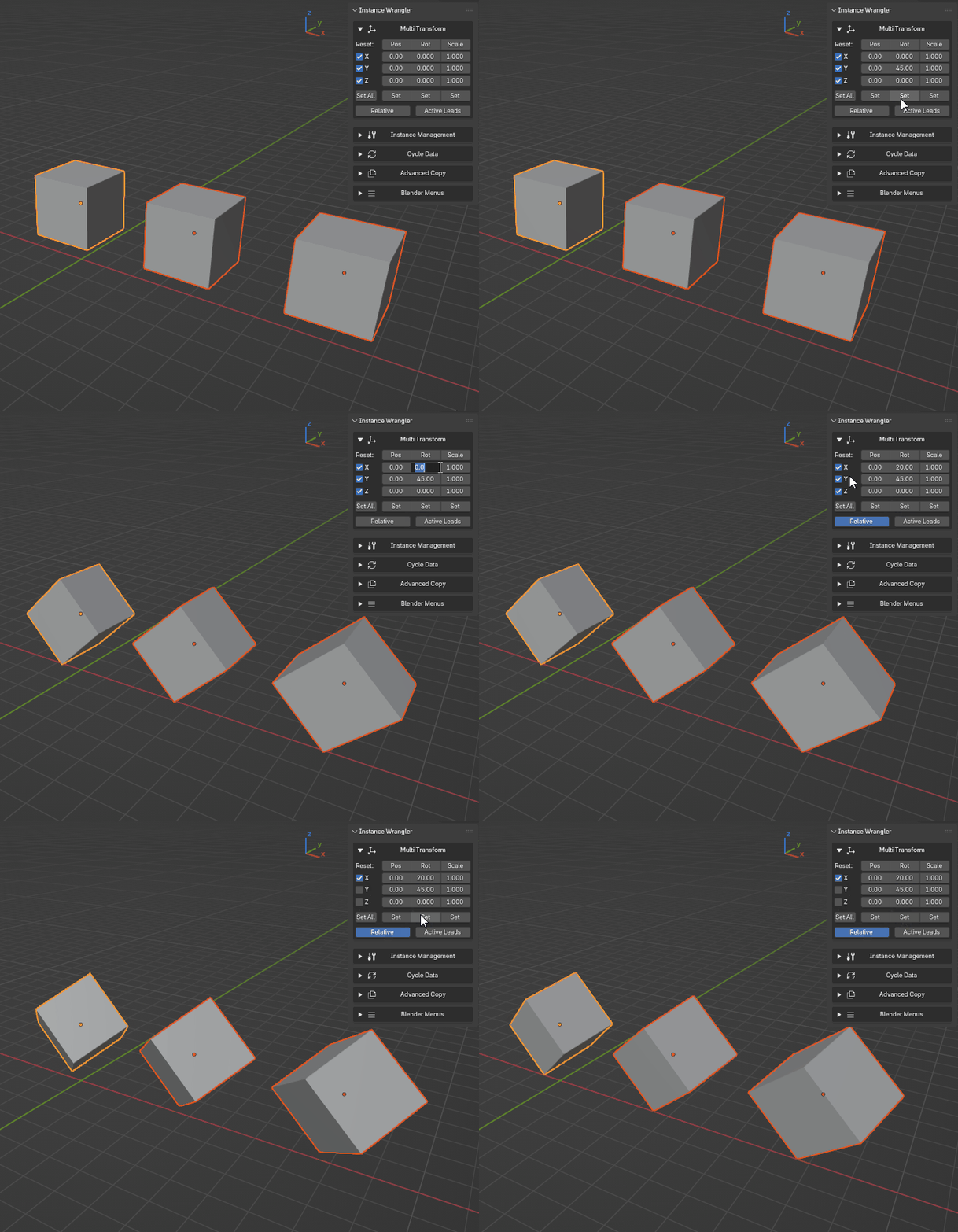
Setting the rotation in absolute and relative mode and using the axis rows.
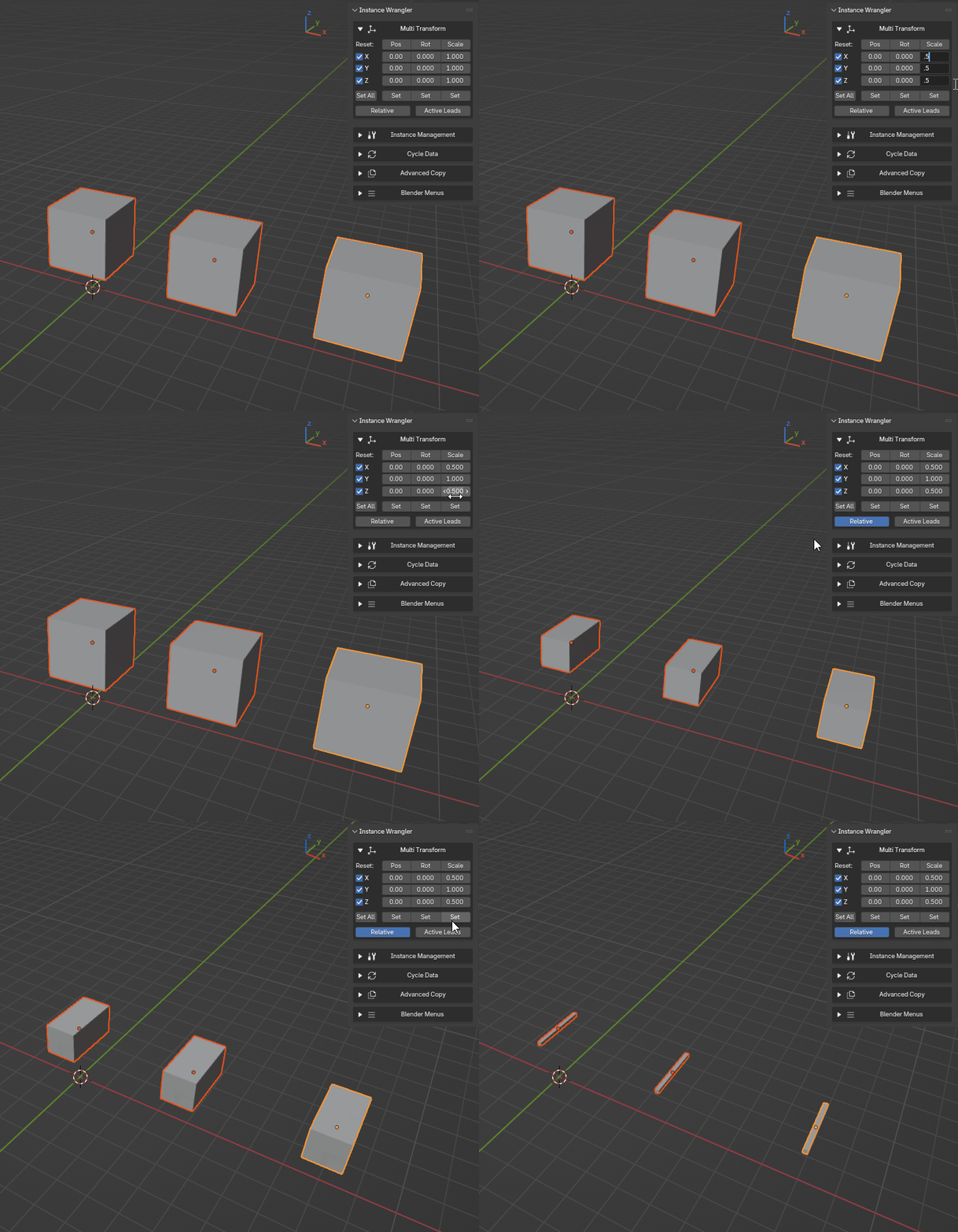
Setting the scale in absolute and relative mode and using the axis rows.
Active Leads Mode
Enabling Active Leads makes the active object the pivot point for the entire selection, like a lead dancer guiding their partners.
Position: The entire group moves rigidly to place the active object at the target coordinates.
Rotation: Followers orbit around the active object as it rotates to its new orientation.
Scale: The active object is scaled by the specified factor, and all followers scale with it, moving further from or closer to the leader proportionally.
Relative Toggle: offers a lot of flexibility in Active Leads mode.
Relative Mode Off (Absolute Mode): You are setting an absolute target for the leader, and the followers will arrange themselves around it.
Relative Mode On: In this mode, the UI values represent an incremental change that is applied to the active object, and the followers move with it in a parented fashion with each click.
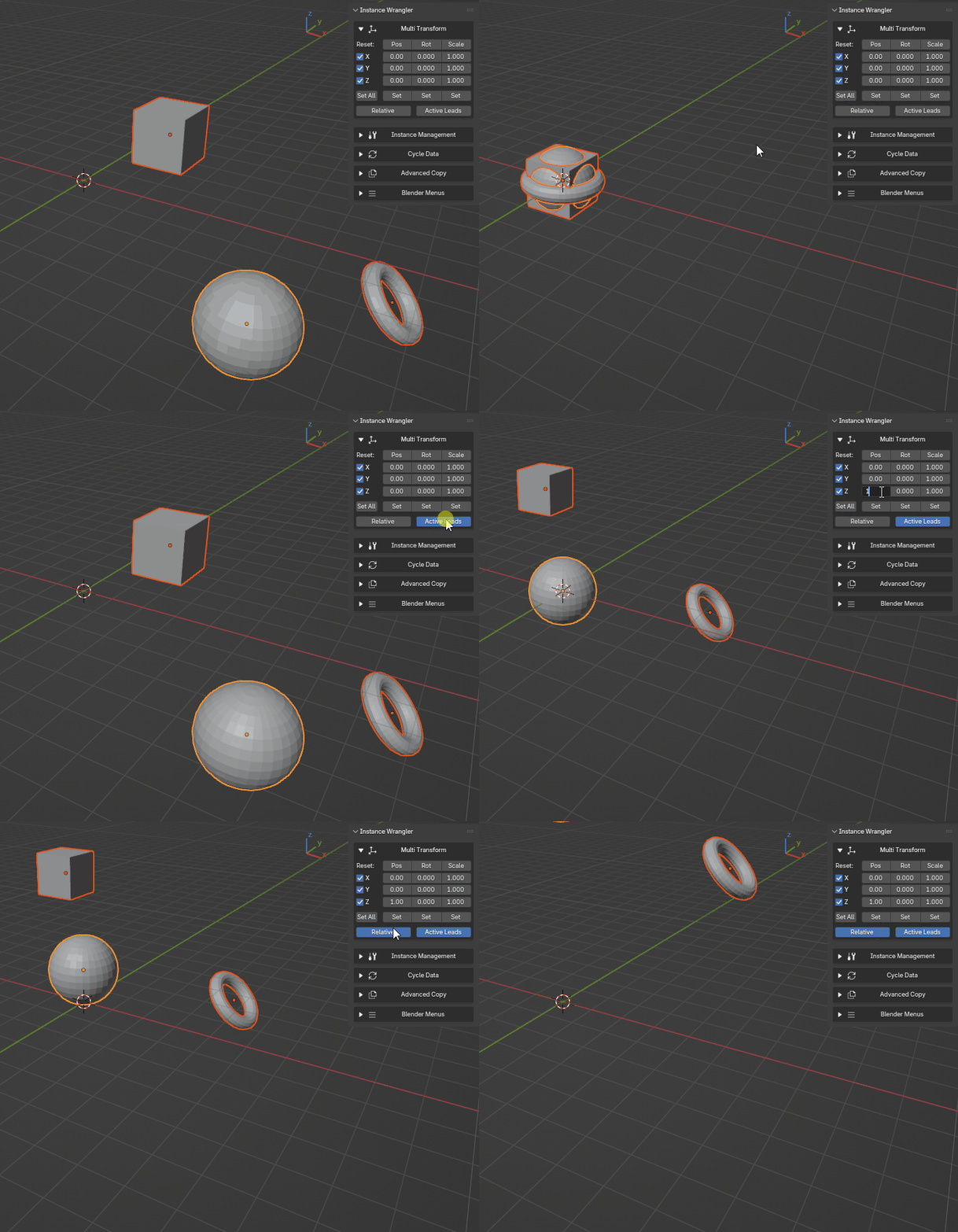
Use Active Leads to move objects as a group, using the active object as the group pivot.
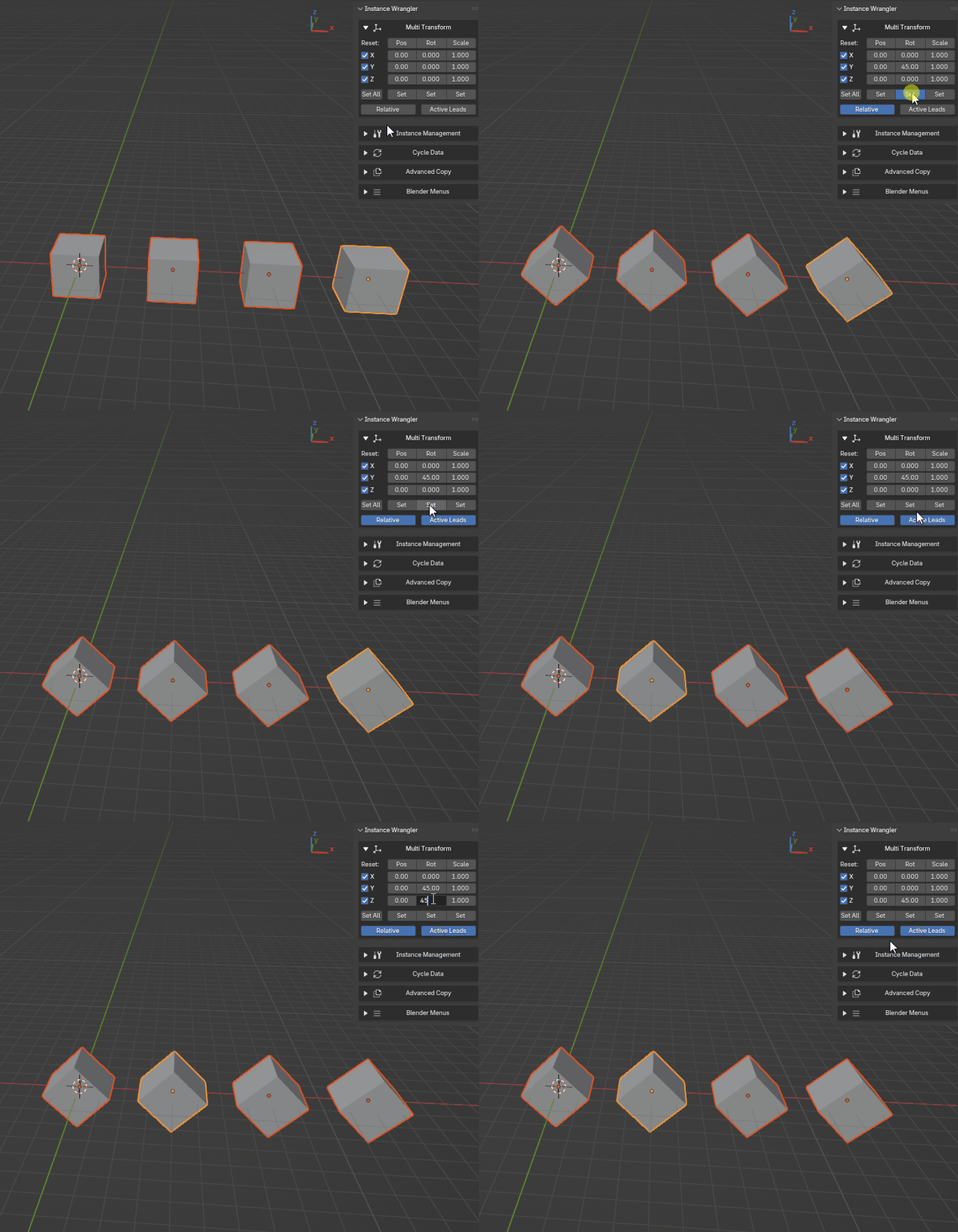
Use Active Leads to rotate objects as a group, using the active object as the group pivot.
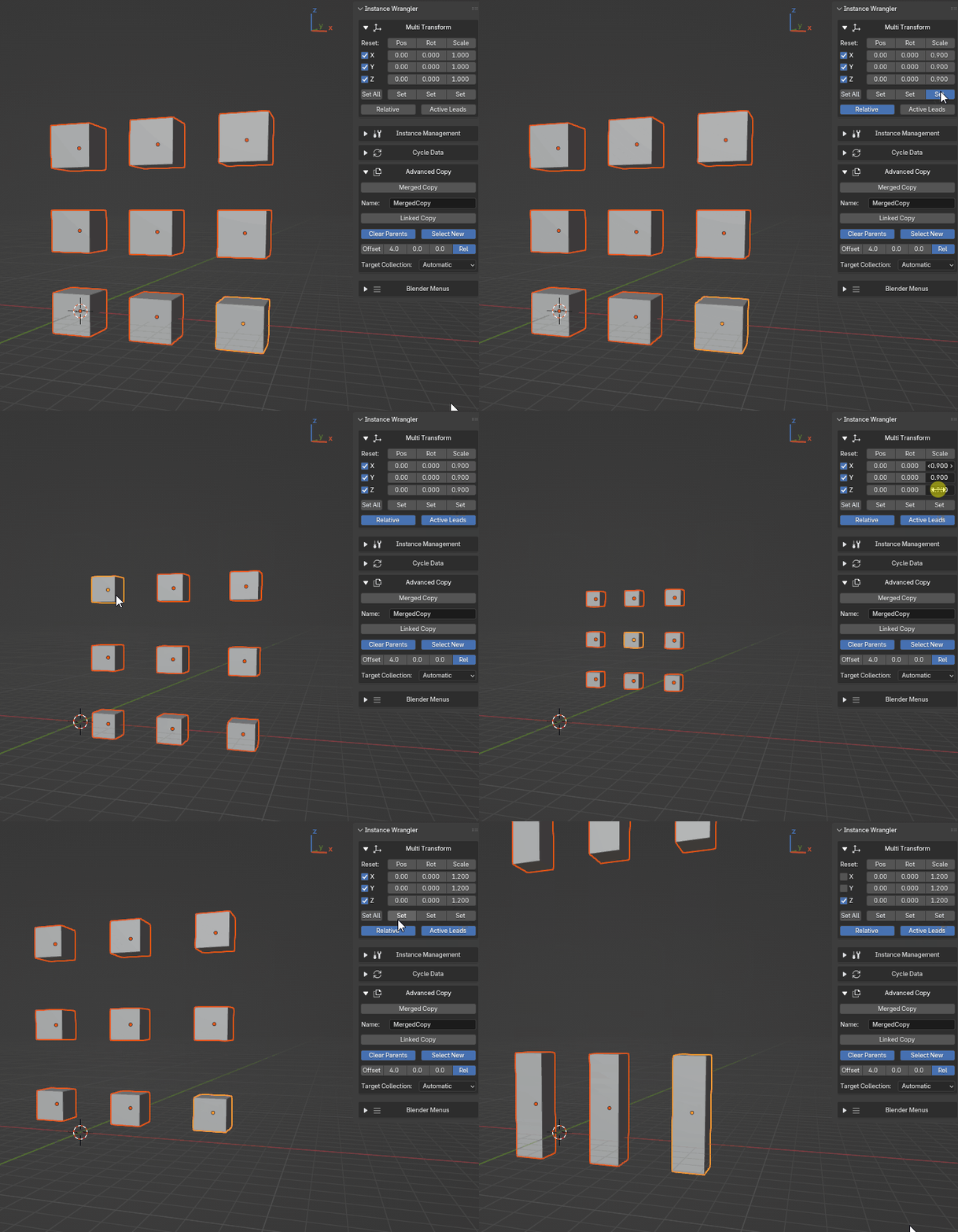
Use Active Leads to scale objects as a group, using the active object as the group pivot.